00 - vladislav kondratyev

ai systems engineer · inference · runtimes · agent tooling

i'm vlad,
i ship systems.

ut dallas cs (class of '27). i build ai runtimes, inference pipelines, and developer tooling across vr, graphics, and cloud systems. recent work spans meta reality labs, intel xess, nutanix, and md7.

AI / SYSTEMS ENGINEERINGPYTHONTYPESCRIPTRUSTGOC++META · INTEL · NUTANIX · MD7UT DALLAS · CLASS OF 202711X HACKATHON WINNERREACT THREE FIBERDALLAS, TEXAS

01 - about

from kernels,
to pipelines,
to agents.

i'm a cs student at ut dallas (class of '27) focused on ai systems work that has to perform outside a notebook. that has meant real-time inference in vr, model deployment and optimization around intel xess, and backend systems that stay responsive under production load.

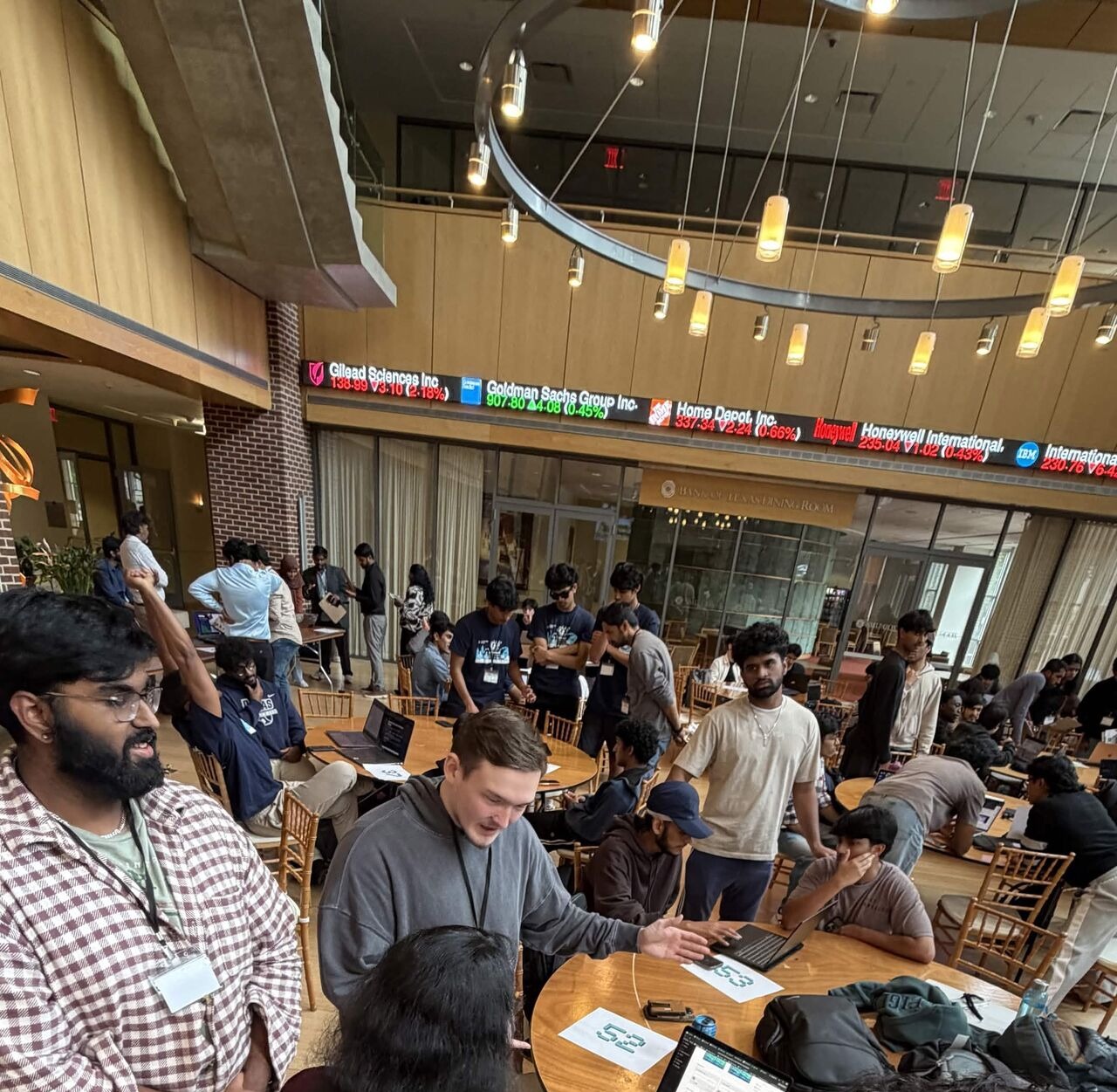
the throughline is systems thinking: model optimization, async services, low-latency data paths, and tooling for agentic workflows. outside internships and contracts, i publish open-source tooling, build products, and have picked up 11 wins across 18 hackathons. check out the projects if you want to see the work directly.

languages

PythonTypeScriptGoRustC++JavaScriptJavaC#HLSLCUDA

ai / ml

PyTorchONNXTensorRTRAG SystemsLLM IntegrationOpenVINOINT8 QuantizationMulti-Agent

systems

FastAPIKafkaWebSocketsPostgresRedisMongoDBpgvectorDocker

devops / cloud

CI/CDGitHub ActionsAWS/GCPKubernetesLinuxTerraformHelm

02 - experience

selected engineering work.

Meta - Reality Labs

seasonal contractor

VR & AI Engineer · austin, tx · jan 2026 → apr 2026

embedded inside meta's reality labs to architect and ship a real-time ai-powered vr system within meta horizon os. integrated pytorch inference models into immersive vr environments achieving <100ms response time. built multimodal ai pipelines fusing user input, environmental context, and behavioral telemetry into a shared transformer-based embedding space.

<100ms

vr response latency

Intel Corporation - XeSS Team

intern

Software Engineer Intern · austin, tx · may–aug 2025

worked on xess 2.x, intel's flagship ai super-resolution technology shipping inside aaa game pipelines. developed ai-powered super-resolution shaders in hlsl and dpc++, reducing temporal artifacts by 25%. refactored model deployment pipeline (c++, pytorch, openvino, cuda), reducing inference latency by 35%. exported pytorch models to onnx and tensorrt with int8 quantization - 40% size reduction with <2% quality loss.

40%

faster frame rates

CNF Technologies

full-time (promoted)

Software Engineer II · san antonio, tx · aug 2024 → may 2026

promoted within 11 months. designed distributed real-time decision pipelines using async event-driven architecture (python, java, kafka), improving throughput by 20% and reducing p99 latency by 35%. engineered low-latency data layers handling 15,000+ concurrent users. diagnosed linux-based production bottlenecks via perf/flamegraphs, reducing downtime by 25%.

15,000+

concurrent users

Revent (Acquired)

co-founder

Founding Software Engineer · bronxville, ny · sep 2024 → apr 2025

co-founded an early-stage fintech startup that was successfully acquired. built a scalable saas financial tracking platform from zero serving 1,000+ users and processing $300,000+/month. cut latency by 40% using express.js and mongodb. achieved 99.9% system availability with github actions + docker ci/cd pipelines.

$300K+

monthly transactions

Nutanix

intern

AI Systems Engineer Intern · remote · jan 2026 → present

working on ai systems infrastructure at nutanix with a focus on production integration, reliability, and enterprise-scale engineering constraints.

enterprise

ai infrastructure

03 - by the numbers

0hackathons attended
0wins
0projects submitted
0pypi packages
01/06

selected system

sherlock-sort

invented adaptive pattern-exploiting sorting algorithm.

C++AlgorithmsCUDABenchmarking
01.
01the idea

sort smarter, not harder.

most sorting algorithms assume nothing about the input. sherlock-sort opens by profiling the data - checking for near-sortedness, clustering, repetition, and distribution shape - then selects and combines proven algorithms (insertion, merge, radix, counting) in the optimal mix for that specific input.

  1. 01O(n) pattern detection pass before sorting begins
  2. 02Adaptive dispatch to insertion, merge, radix, or counting sort
  3. 03Outperforms timsort on patterned and semi-sorted real-world data
02/06

selected system

ai-decision-council

multi-llm council orchestration with cli and fastapi.

PythonFastAPICLIPyPIMulti-LLMREST API
02.
01the problem

single models hallucinate. councils don't.

any single llm can confidently return a wrong answer. ai-decision-council routes every query through multiple models simultaneously, collects their responses, and runs a configurable consensus algorithm before surfacing a result - dramatically reducing hallucination rate on factual and reasoning tasks.

  1. 01Parallel inference across N configured models
  2. 02Pluggable consensus strategies: majority, weighted, ranked
  3. 03FastAPI endpoint for drop-in integration into existing systems
02distribution

published on pypi.

packaged and published to the python package index so anyone can install it with a single pip command. includes full cli with interactive mode and a programmatic python api for embedding into larger pipelines.

  1. 01pip install ai-decision-council
  2. 02CLI for interactive use and scripting
  3. 03Python API for programmatic integration
03/06

selected system

ClawGuardian

prompt-injection firewall for ai agents with on-chain threat sharing.

PythonBlockchainFastAPINLPSmart Contracts
03.
01the threat

prompt injection is the #1 attack vector on ai agents.

as ai agents gain tool access and autonomous action, prompt injection - tricking an agent into ignoring its instructions via malicious input - becomes a critical security vulnerability. clawguardian intercepts every input before it reaches the model and classifies it against a continuously updated threat database.

  1. 01Real-time detection with <10ms classification overhead
  2. 02Multi-layer detection: pattern matching + semantic analysis
  3. 03Graduated response: warn, sanitize, or block
02on-chain sharing

every blocked attack makes the whole network smarter.

when clawguardian detects and blocks an attack, it logs a hashed threat signature to a shared on-chain registry. every other clawguardian instance pulls this feed and updates its local classifier - creating a network effect where novel attacks discovered by one node are immediately defended against by all.

  1. 01Decentralized threat registry with no single point of failure
  2. 02Privacy-preserving: only hashed signatures are shared on-chain
  3. 03Auto-updates local classifier from chain events
04/06

selected system

EchoMind

cognitive ai system built around persistent memory, emotional modeling, and real-time context ingestion.

PythonPyTorchWebRTCOpenCVZeroMQgRPCINT8/FP16Agent Runtime
04.
01the architecture

three senses. one model. continuous context.

echomind fuses audio, vision, and system telemetry in real time. each stream is encoded independently then merged into a shared embedding via attention-weighted cross-modal fusion. the result is an agent that doesn't need to be told what you're doing: it perceives it directly, updates its context window, and adapts its behavior without full recomputation.

  1. 01Audio via WebRTC: speech, tone, ambient sound classification
  2. 02Vision via OpenCV: face detection, emotion recognition, gaze estimation
  3. 03OS telemetry via syscall hooks: app focus, typing cadence, idle patterns
02memory

episodic memory that survives across sessions.

most ai companions reset on every conversation. echomind maintains a sliding-window episodic memory buffer with salience-weighted retention: informed by the sect model research paper authored under echolab. the agent remembers what matters and forgets what doesn't, the way humans do.

  1. 01Sliding-window episodic buffer with salience weighting
  2. 02SECT Model: Salience-Emotion-Context-Time memory architecture
  3. 03Cross-session persistence with no full context recomputation
05/06

selected system

Project Tusk

elephant vocalization noise-removal and research platform.

TypeScriptPythonAudio DSPReactFastAPI
05.
01the mission

helping researchers hear what matters.

elephant infrasound communication is critical to conservation research, but field recordings are dominated by wind, rain, and human noise. project tusk applies targeted dsp pipelines tuned to the 14–35 hz infrasound range to strip noise without degrading the signal researchers care about.

  1. 01Noise reduction pipeline tuned to elephant infrasound (14–35 Hz)
  2. 02Batch processing for large field recording archives
  3. 03Researcher annotation interface for labeling and export
02impact

winner at hacksmu '26.

selected as a winning project at hacksmu '26 for demonstrating a practical application of signal processing to a real conservation problem. the platform was built end-to-end in 24 hours by a small team.

  1. 01HackSMU '26 winner
  2. 02Full-stack: audio pipeline + web interface
  3. 03Built for real conservation research workflows
06/06

selected system

gagent

local runtime and control layer for autonomous ai agents.

JavaScriptNode.jsAgent RuntimeTool Registry
06.
01local agents

your agents, running where you want them.

most agent frameworks require a hosted service. gagent runs entirely on localhost - persistent task queues, registered tools, and a memory layer that survives restarts. agents can call any local or remote tool you register and their state is checkpointed so long-running tasks survive crashes.

  1. 01Persistent task queue with checkpoint/resume
  2. 02Open tool registry: register any function as a tool
  3. 03Local memory store with configurable retention

05 - wins

11× hackathonwinner.

10 competitions. 11 wins total. intel and nutanix wins under nda.

Intel Internal Hackathon

Intel Internal Hackathon
Intel (NDA)

Internal innovation challenge. Details under NDA.

Confidential

Nutanix Internal Hackathon

Nutanix Internal Hackathon
Nutanix (NDA)

Internal engineering challenge. Details under NDA.

Confidential

CAFAI

CAFAI
Online GenAI Hackathon '26

Context-aware fused ad insertion: ads that blend into content instead of interrupting it.

AzureStable DiffusionReactTypeScript

SAGE

SAGE
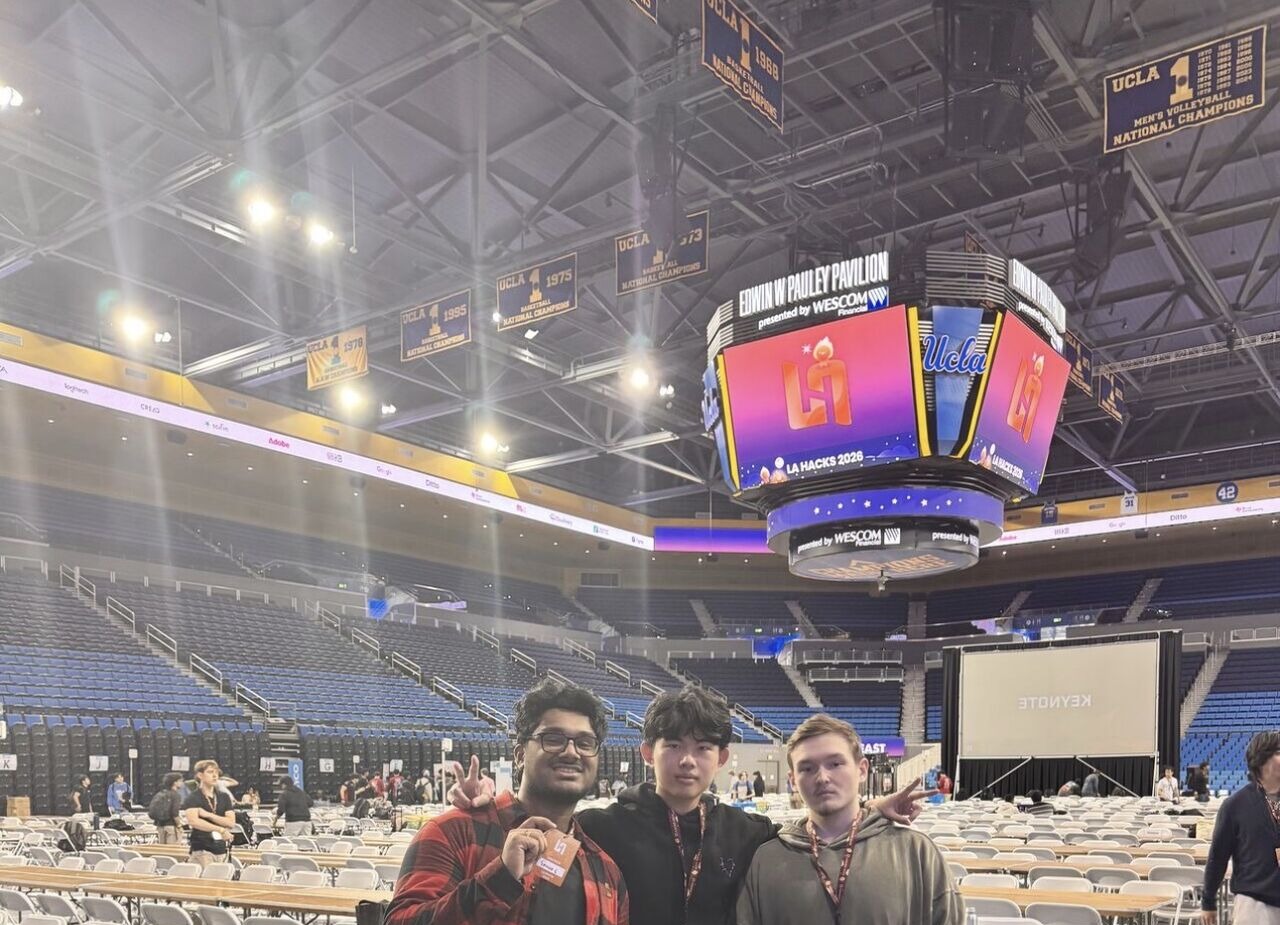
LAHacks '26

AI education platform with real-time physics simulations, on-device inference, and live learner presence.

WebGPUCloudinaryTypeScriptAI

Project Tusk

Project Tusk
HackSMU '26

Real-time bioacoustic pipeline for elephant field recordings: noise removal, feature extraction, AI classification.

PythonAudio DSPFastAPI

ClawGuardian

ClawGuardian
HookEmHacks '26

Prompt-injection firewall for AI agents with on-chain threat sharing. 2x track winner: IBM Security + AWS 1st place.

PythonBlockchainFastAPI

BrainDance

BrainDance
HackAI '25

EEG-based memory reconstruction pipeline viewable in VR.

PythonEEGWebGLVR

HootHive

HootHive
HackRice '25

AI-powered lecture-to-study-resource assistant transforming recorded lectures into structured study materials.

PythonAIReact

RowdyHacks '25

RowdyHacks '25
RowdyHacks '25

Hackathon win at UTSA's RowdyHacks competition.

PythonAI

06 - research

ut southwestern medical center · ut dallas

detecting cancer cellsbefore they spread.

working with Dr. Fang at UT Southwestern Medical Center, I built machine learning pipelines that distinguish malignant cells from healthy tissue in high-resolution imaging data, the kind of classification that normally requires a trained pathologist and hours of manual review.

the system extracts morphological features at the sub-cellular level, classifies cell populations across imaging slices, and flags anomalies consistent with early-stage malignancy, turning raw microscopy output into structured, actionable signal for researchers.

PyTorchComputer VisionCNN / Feature ExtractionCell Morphology AnalysisMalignancy ClassificationHigh-Resolution Imaging
UT Southwestern Medical CenterUT Dallas

what it means

early detection is the single largest factor in cancer survival outcomes. automating the visual triage of tissue samples compresses the timeline between imaging and diagnosis.

~µmresolution scale
MLclassification pipeline
2institutions

08 - open source packages

published to pypi.

pypi.org/user/ch1kim0n1 →

ai-decision-council

Multi-LLM council orchestration with CLI + FastAPI

-

last 30d

devpost-api

Unofficial Devpost REST API wrapper

-

last 30d

DocGenie

Auto-documentation generator for Python projects

-

last 30d

HackLuminary

Hackathon-oriented presentation creation tool

-

last 30d

gorchestrator

Parallel agent execution manager: runs N attempts, scores outputs, selects the winner

-

last 30d

gmirror

Synthetic-user verification layer: scores LLM outputs against cognitive user panels

-

last 30d

glearn-cli

Learning capture CLI for the G-Stack agent pipeline

-

last 30d

gagent

Unified CLI + MCP control plane for the six-tool G-Stack (GBrain, GStack, GOrchestrator, GMirror, GToM, GLearn)

-

last 30d

04 - contact

let's build
together.

let's talk →